Projects of focus

Science · Data · Impact

One question ties my dissertation together: how do phenotypes emerge from genotypes — and how can multi-omics workflows make that link interpretable, reproducible, and teachable? Each project pairs a biological question with a data skill that transfers directly to industry.

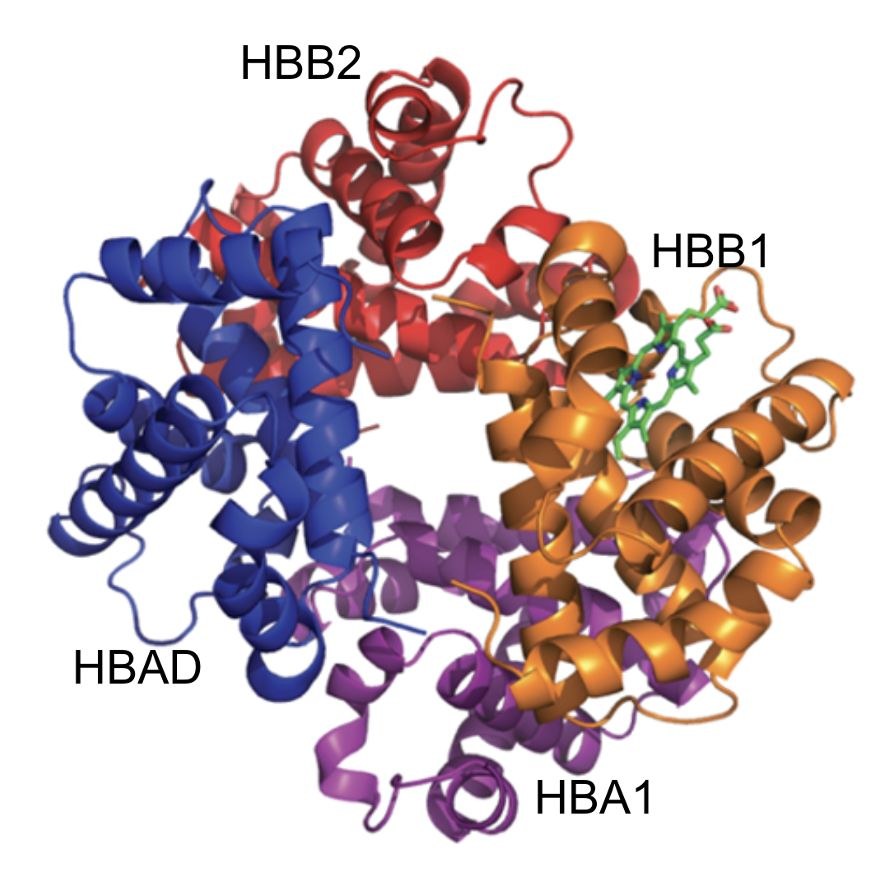
3D structure of a hemoglobin tetramer with labeled subunits
01Published (GBE 2025) · first-author in submission

Hemoglobin gene evolution in ectotherms

How are life-history traits and environment linked to molecular change in hemoglobin across reptiles?

Approach
Selection tests (dN/dS, HyPhy) and phylogenetic comparative models across four Hb subunits and a global sample of reptiles.
Why it matters beyond academia
Large-scale sequence analysis and statistical modeling of genotype–phenotype links.
Molecular evolutionHyPhyPhylogenetics
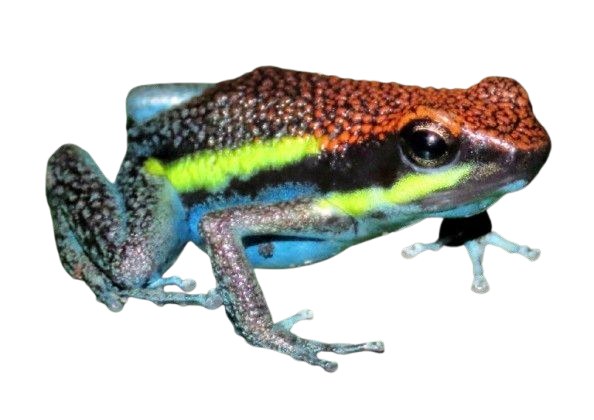
A brightly colored poison dart frog
02In progress

Comparative transcriptomics of dendrobatid frogs

Did chemical defense evolve through shared or lineage-specific molecular mechanisms in poison frogs?

Approach
Multi-tissue RNA-seq, de novo assembly, and annotation to find candidate genes for alkaloid sequestration.
Why it matters beyond academia
Differential expression and candidate-gene discovery — the same logic as target identification.
RNA-seqGene expressionCandidate genes
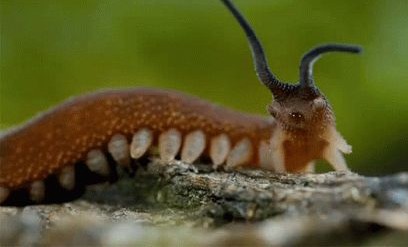
A velvet worm on a mossy log
03Manuscript in preparation

Amphibian & invertebrate bio-glues

Which genes build the adhesive secretions of velvet worms and amphibians — and how old are they?

Approach
Transcriptomics of slime-producing tissues, protein composition profiling, and comparison with known adhesive proteins.
Why it matters beyond academia
Natural adhesives as leads for biomaterials and bio-inspired design.
BiomaterialsProteomics-awareTranscriptomics
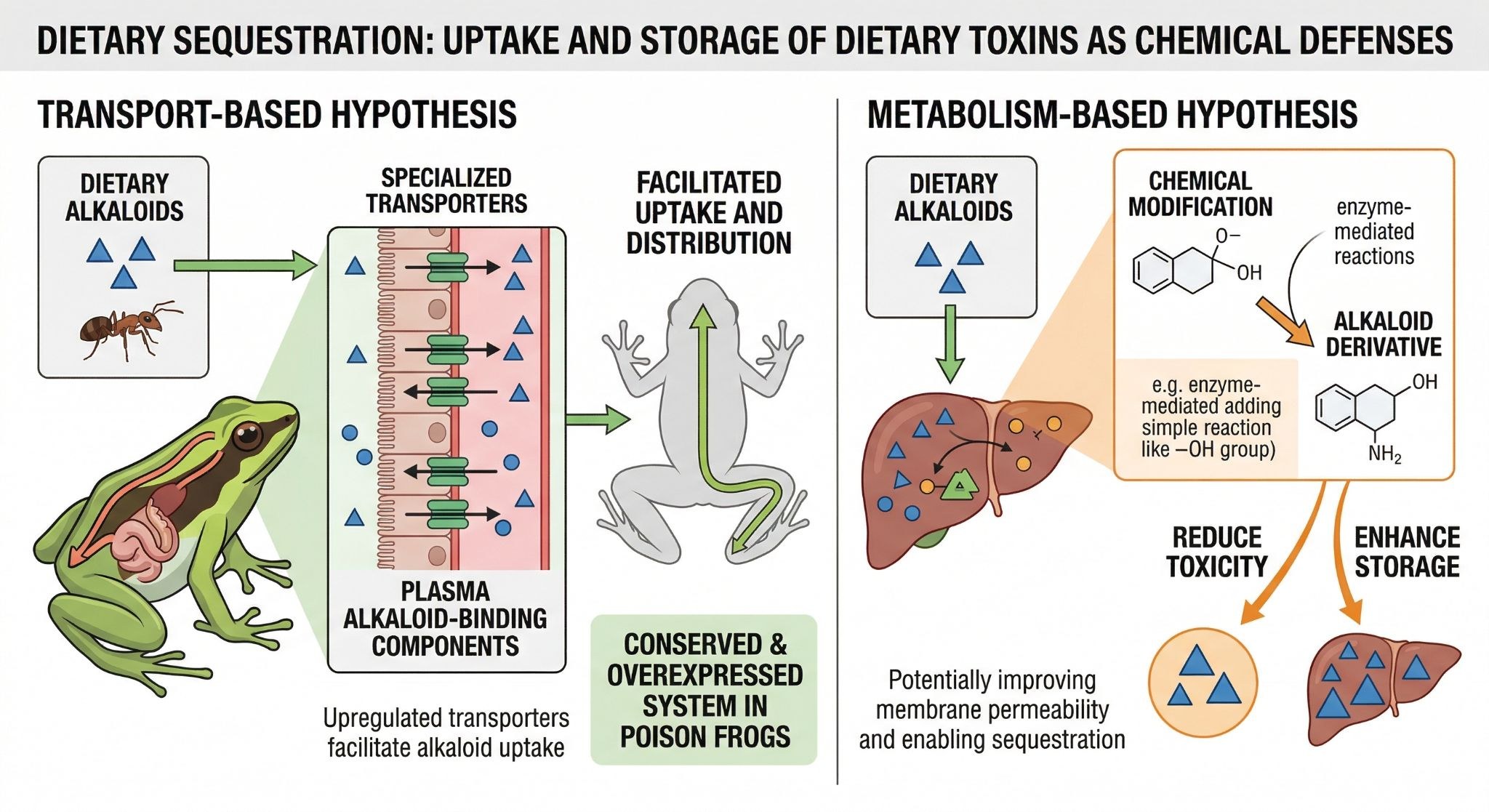
Diagram of transport- and metabolism-based hypotheses for dietary alkaloid sequestration
04Experimental phase

Poison frog alkaloid chemistry

How do poison frogs take up, store, and possibly modify dietary alkaloids?

Approach
Extraction-method benchmarking, GC-MS profiling, feeding experiments, and a digitized Daly alkaloid library (800+ compounds).
Why it matters beyond academia
Analytical chemistry, method validation, and building a reusable reference library.
GC-MSMetabolomicsChemical ecology
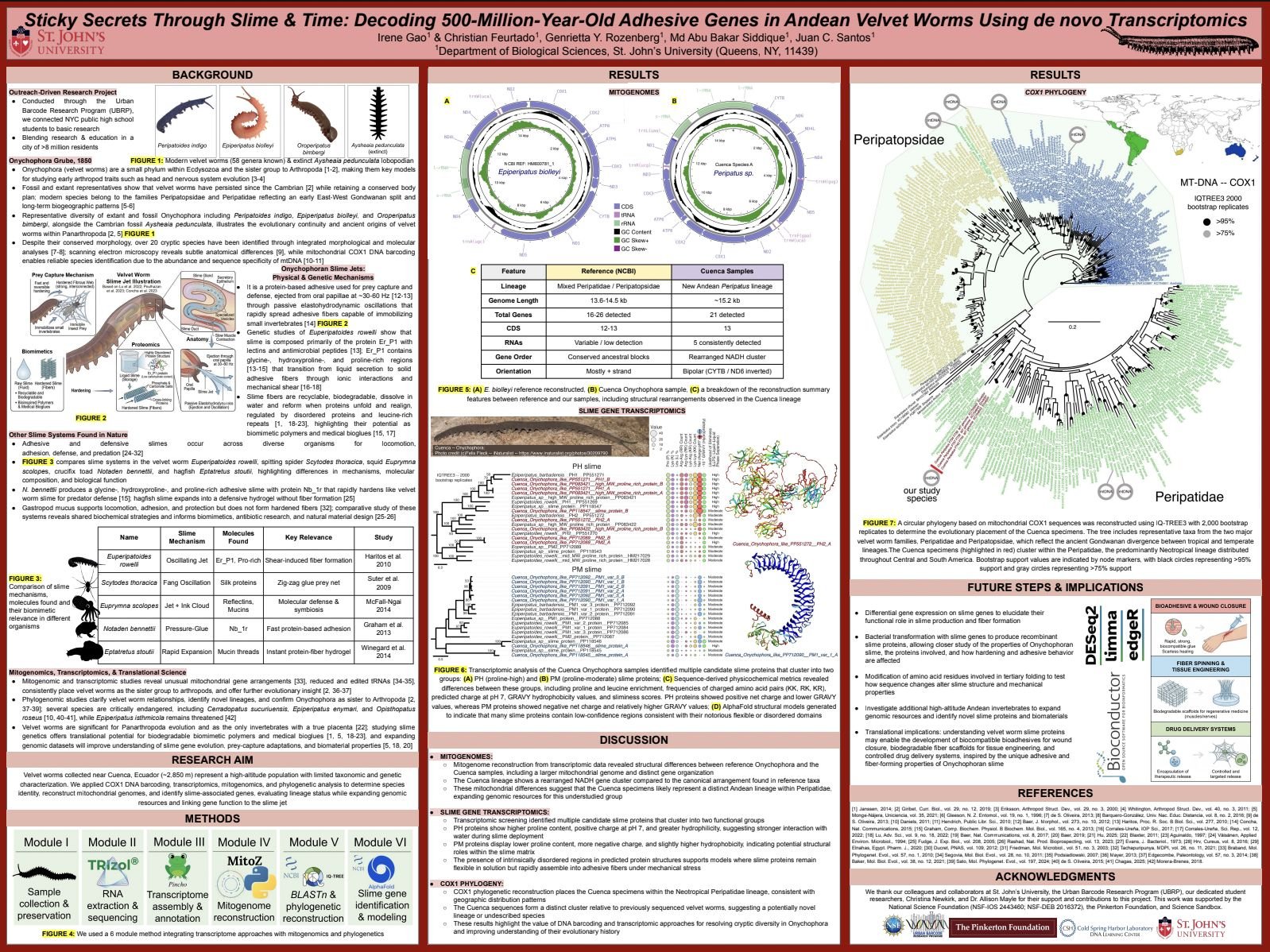
Conference poster on velvet worm adhesive genes and mitogenomes
054 manuscripts in preparation

Andean invertebrate transcriptomics & mitogenomics

Can RNA-seq recover mitogenomes and barcodes for neglected, data-poor species?

Approach
RNA → mitogenome → COX1 barcoding for planarians, velvet worms, parasites, and pest-control species with UBRP high-school teams.
Why it matters beyond academia
Turning scarce, messy samples into usable reference data; biodiversity and biocontrol applications.
MitogenomicsDNA barcodingMentored research
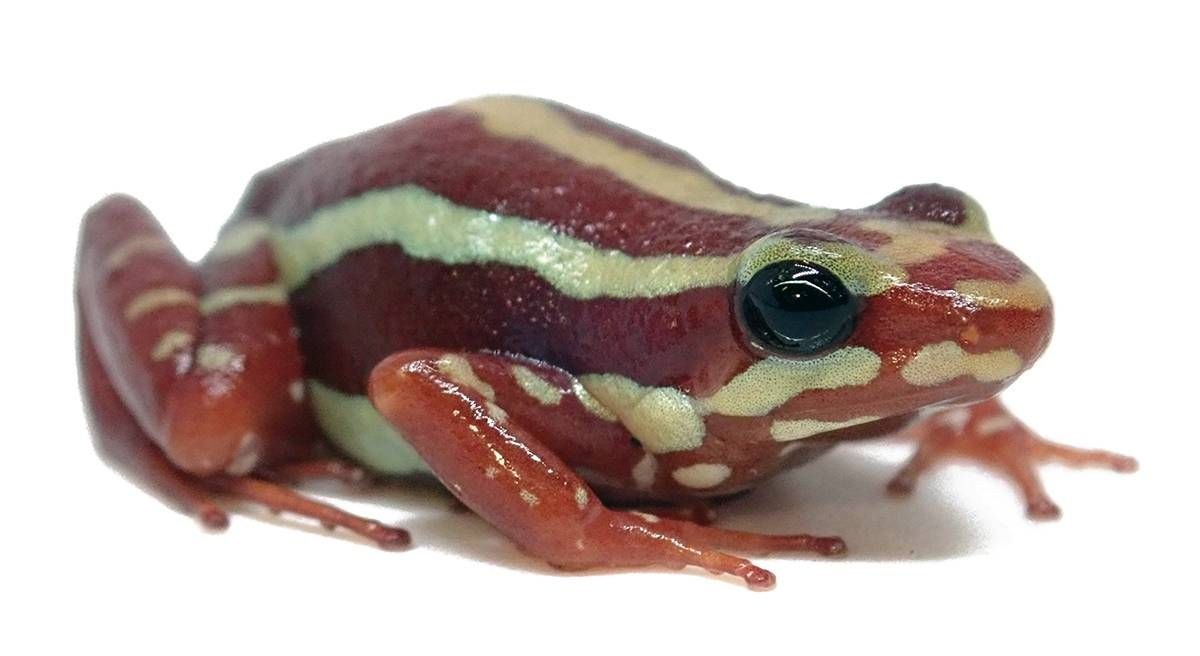
Epipedobates anthonyi poison frog used as a reference for pipeline development
06Presented at CSHL Genome Informatics 2025

Reproducible transcriptomic pipeline development

How can multi-omics workflows be made reproducible, teachable, and FAIR for non-model organisms?

Approach
Modular pipelines (assembly → annotation → mitogenome mining → phylogenetics) documented on GitHub, Galaxy, and GitBook.
Why it matters beyond academia
Production-style workflow engineering: versioned, containerized, documented.
PythonGalaxyFAIR data